
Pet Microchipping in Langley, BC
Every year, many pets go missing, leaving families worried and unsure how to bring them home. Microchipping provides a simple, safe, and permanent way to help ensure your pet can be identified and returned quickly. At Brookswood Veterinary Hospital, we recommend microchipping for all dogs and cats as one of the most reliable tools for reuniting lost pets with their families.
Request an AppointmentWhat Is a Pet Microchip?
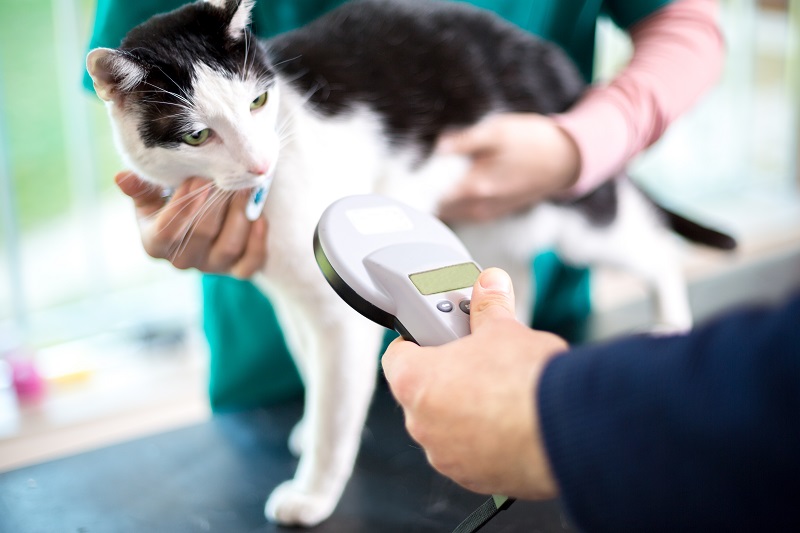
A microchip is a tiny, biocompatible device about the size of a grain of rice. It is placed just under the skin, usually between the shoulder blades, and contains a unique identification number. When a lost pet is brought to a veterinary hospital, animal shelter, or animal control facility, the chip is read with a handheld scanner, and the number is used to look up the owner’s contact information in a national pet recovery database.
A microchip is not a GPS tracker and does not require a battery. It is a permanent form of identification that lasts for your pet’s lifetime.
Why Every Pet Should Be Microchipped
Collars and tags are important, but they can break, slip off, or be removed. A microchip cannot be lost, making it a reliable backup that dramatically improves the chances of a lost pet being returned home. Microchipping is recommended for:
- Dogs and cats of all ages
- Indoor cats, who can slip out an open door or window
- Pets who travel with their families
- Newly adopted pets
- Pets who are anxious during storms or fireworks and may run off
Is Microchipping Painful?
The procedure is quick and well tolerated. The microchip is implanted with a needle, similar to a routine vaccination, and most pets react very little. It can be done during a regular wellness exam without anesthesia. Many owners choose to have their pet microchipped while they are already under anesthesia for a spay, neuter, or other surgical procedure.
Microchipping Puppies and Kittens
Microchipping is a great step to take early in your pet’s life. We often microchip young pets during their visits in our puppy and kitten programs so they are protected from the start.
Keep Your Microchip Registration Up to Date
A microchip is only as helpful as the information linked to it. After your pet is microchipped, the chip is registered with a national recovery database. Be sure to update your contact information whenever you move or change your phone number. At every visit, our team can scan your pet’s chip to confirm it is working properly.
Peace of Mind for Pet Owners in Langley
Microchipping is a small investment that provides lasting peace of mind and an extra layer of protection for your beloved companion. Combined with preventive care through our senior programs, dental programs, and other veterinary services, it is part of a complete plan to keep your pet safe and healthy.
To schedule microchipping for your dog or cat, call (604) 534-4174 or ask about it at your pet’s next appointment.
Pet Microchipping FAQs
What is a pet microchip?
A pet microchip is a tiny, biocompatible device about the size of a grain of rice that is placed under the skin. It contains a unique ID number linked to your contact information in a pet recovery database.
Does microchipping hurt my pet?
Microchipping is quick and similar to a routine vaccination. Most pets react very little, and no anesthesia is needed.
Is a microchip the same as a GPS tracker?
No. A microchip does not track your pet’s location. It is a permanent ID that can be read by a scanner at veterinary hospitals and shelters to identify your pet and contact you.
How long does a microchip last?
A microchip has no battery and is designed to last for your pet’s entire lifetime.
Can my pet be microchipped during spay or neuter surgery?
Yes. Many owners choose to have their pet microchipped while under anesthesia for a spay, neuter, or other procedure, though it can also be done during a regular exam.
Does my indoor cat need a microchip?
Yes. Indoor cats can escape through open doors or windows, and a microchip greatly improves the chances of them being returned home if they get lost.
What should I do after my pet is microchipped?
Make sure your pet’s microchip is registered and keep your contact information up to date in the recovery database, especially after moving or changing phone numbers.
